Casual fashion has always been about comfort, simplicity, and personal expression. But in recent years, it has taken on a deeper meaning. Style is no longer just about appearance. It is also about responsibility. As awareness of environmental issues grows, more people are asking whether their casual outfit ideas can also be sustainable and eco-friendly.
The answer is yes. Sustainable fashion is not separate from casual style. It is becoming part of it. Everyday outfits can look modern, relaxed, and stylish while still supporting ethical production and reducing environmental impact. The key is understanding how to build and style clothing in a more intentional way.
Why Sustainability Is Changing Everyday Fashion Choices
Fashion is one of the most resource-intensive industries in the world. Fast fashion has made clothing more accessible, but it has also increased waste, pollution, and overconsumption. Many consumers are now rethinking how they shop and dress.
This shift is influencing casual outfit ideas in a major way. Instead of constantly chasing trends, people are focusing on longevity, versatility, and quality. Casual clothing is especially affected because it is worn more frequently than formal wear.
Sustainability also aligns naturally with comfort-focused fashion. Many eco-friendly materials are breathable, soft, and durable, which makes them ideal for everyday outfits. As a result, sustainable fashion is no longer seen as a niche concept. It is becoming a practical lifestyle choice.
Building Casual Outfit Ideas Around Sustainable Wardrobe Staples
A sustainable wardrobe starts with strong foundations. Instead of buying large volumes of clothing, the focus shifts toward a smaller number of versatile, high-quality pieces.
Essential Eco-Friendly Clothing Pieces
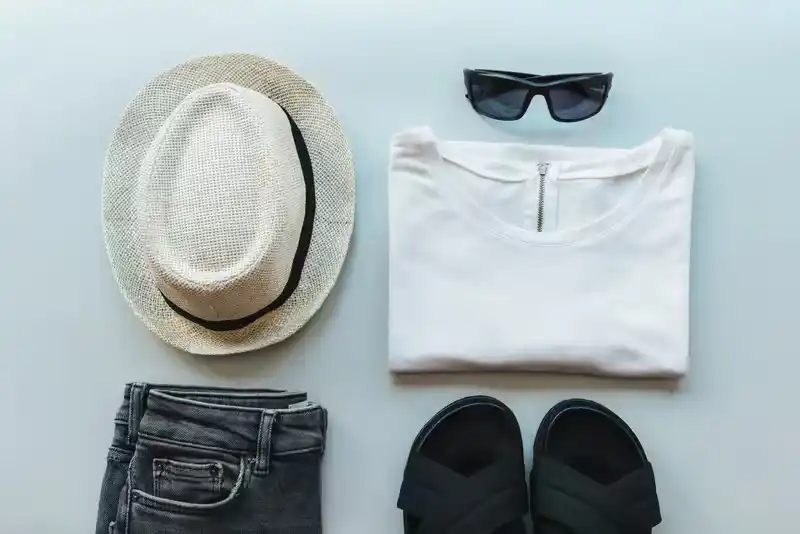
Some clothing items form the base of most casual outfit ideas. Organic cotton T-shirts are one of the most important staples. They are breathable, comfortable, and widely available in ethical production lines.
Ethically made denim is another key element. A well-fitted pair of jeans can be styled in multiple ways and lasts for years if properly maintained. Neutral-toned trousers also add flexibility to a sustainable wardrobe.
Outerwear should also be considered carefully. A durable jacket or coat that works across seasons reduces the need for frequent replacements. When chosen well, these pieces become the backbone of everyday style.
Choosing Quality Over Quantity in Casual Fashion
One of the biggest changes in sustainable fashion is the shift from quantity to quality. Instead of owning many low-quality items, the goal is to own fewer but more durable pieces.
High-quality fabrics last longer, maintain their shape, and resist wear and tear. This reduces the need for constant replacement and ultimately lowers environmental impact.
From a styling perspective, fewer pieces can actually create more outfit combinations. A well-planned wardrobe allows multiple casual outfit ideas using the same core items. This improves creativity while reducing clutter.
Sustainable Fabrics That Work Well for Casual Outfit Ideas
Fabric choice plays a major role in sustainability. Different materials have different environmental footprints, durability levels, and comfort qualities.
Organic cotton is one of the most common sustainable fabrics. It is grown without harmful pesticides and feels soft on the skin. It is ideal for everyday T-shirts, hoodies, and basics.
Hemp is another strong option. It grows quickly, requires less water, and becomes softer over time. It is highly durable, making it perfect for long-lasting casual wear.
Linen is lightweight and breathable, which makes it ideal for warm weather outfits. It also requires less processing compared to many synthetic fabrics.
Recycled fabrics are becoming more popular in modern fashion. These materials reuse existing textiles or plastic waste to create new clothing. This reduces landfill waste and resource consumption.
Choosing better fabrics improves not only sustainability but also comfort and durability, which are essential for everyday casual outfits.
Styling Casual Outfit Ideas Without Sacrificing Sustainability
Sustainable fashion does not limit creativity. In fact, it encourages smarter styling decisions that make casual outfits more intentional and adaptable.
Mixing Minimalism With Personal Style
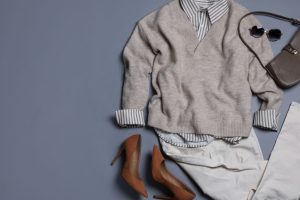
Minimalism is often associated with sustainability because it focuses on simplicity and versatility. Neutral colors like beige, white, black, and olive green make it easier to mix and match clothing pieces.
Layering is another important technique. A simple base outfit can be transformed with jackets, scarves, or accessories. This allows multiple casual outfit ideas without needing new clothes.
Personal style still plays an important role. Accessories such as hats, bags, or shoes can add personality without increasing environmental impact significantly.
Creating Seasonal Looks Sustainably
Seasonal dressing becomes more efficient when built around reusable basics. In warmer months, lightweight fabrics and breathable pieces dominate casual outfit ideas.
In colder seasons, layering becomes more important. Instead of buying new clothing every season, existing items are combined in different ways to create warmth and style.
Transition seasons like spring and autumn benefit most from adaptable wardrobes. Light jackets, layered shirts, and flexible footwear help maintain style without overconsumption.
The Role of Thrifted and Secondhand Fashion in Casual Styling
Secondhand fashion is one of the most practical ways to make casual outfit ideas more sustainable. It extends the life of clothing and reduces demand for new production.
Thrifted pieces often offer unique styles that are not available in mainstream stores. This helps create more personalized outfits that stand out.
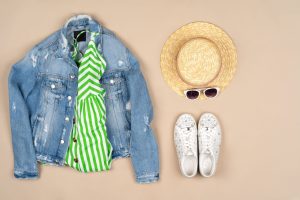
Mixing secondhand items with modern essentials creates a balanced wardrobe. For example, vintage denim can be paired with a simple organic cotton T-shirt for a timeless casual look.
However, secondhand shopping also comes with challenges. Sizing may be inconsistent, and availability is unpredictable. Careful selection and patience are required to find the right pieces.
Despite these challenges, thrifted fashion remains one of the most effective ways to support sustainability in everyday style.
Ethical Fashion Brands and Smarter Shopping Habits
Not all clothing marketed as sustainable is truly ethical. This is where awareness becomes important.
Some brands use “greenwashing,” which means they present themselves as eco-friendly without meaningful practices behind their claims. This can mislead consumers who are trying to make responsible choices.
Real sustainable brands are usually transparent about their production methods, materials, and labor conditions. They often provide detailed information about sourcing and manufacturing.
Supporting small and local businesses can also improve sustainability. These brands often produce in smaller quantities and focus more on quality than mass production.
Smarter shopping habits also matter. Instead of impulse buying, planning outfits and identifying real wardrobe needs helps reduce unnecessary consumption.
Common Misconceptions About Sustainable Casual Outfit Ideas
Many people believe sustainable fashion is restrictive or less stylish. In reality, it can be just as modern and versatile as traditional fashion.
Another misconception is that eco-friendly clothing is always expensive. While some ethical brands have higher prices, thrift shopping and capsule wardrobes can make sustainability affordable.
Some also assume sustainable clothing is less durable. In fact, many eco-friendly fabrics are designed for longevity and often last longer than fast fashion alternatives.
There is also confusion between trends and sustainability. Sustainable fashion is not about following every trend. It is about building a wardrobe that remains functional and stylish over time.
Creating a Long-Term Sustainable Approach to Casual Fashion
Sustainability is not just about individual clothing items. It is about long-term habits and mindset changes.
A capsule wardrobe is one effective strategy. It focuses on a limited number of versatile pieces that can be combined in many ways. This simplifies decision-making and reduces waste.
Clothing maintenance is another important factor. Washing clothes properly, repairing small damages, and storing items correctly can significantly extend their lifespan.
Outfit planning also reduces unnecessary purchases. When people understand what they already own, they are less likely to buy duplicates or unused items.
Balancing self-expression with sustainability is also possible. Personal style does not need to disappear. It just becomes more intentional and thoughtful.
Conclusion
Casual outfit ideas can absolutely include sustainable and eco-friendly fashion without sacrificing style, comfort, or creativity. In fact, sustainability often improves everyday dressing by encouraging better fabric choices, smarter shopping habits, and more intentional styling. Instead of relying on fast-changing trends, sustainable fashion focuses on long-term value, versatility, and quality. This shift helps reduce waste while also creating more cohesive and functional wardrobes. Through ethical brands, secondhand fashion, and carefully chosen wardrobe staples, it becomes easier to build outfits that reflect both personal style and environmental responsibility. While challenges such as greenwashing and limited availability still exist, informed choices make a significant difference. Over time, sustainable casual fashion becomes less about restriction and more about refinement. It encourages people to dress with purpose, reduce unnecessary consumption, and appreciate the value of each clothing piece they own.