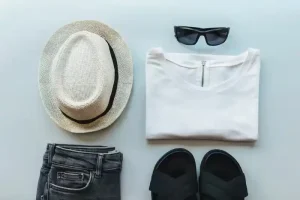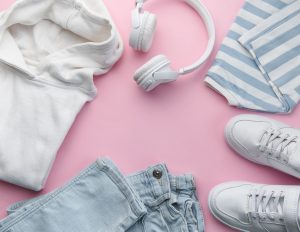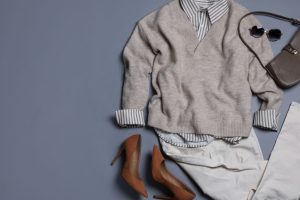
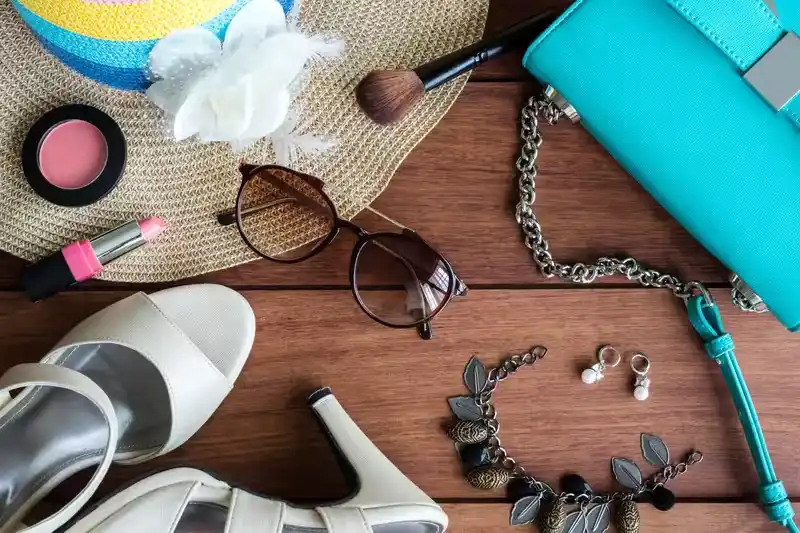
Accessories have a unique ability to transform an outfit without requiring a complete wardrobe change. A simple T-shirt and jeans combination can look entirely different depending on the shoes, jewelry, bag, or belt that accompanies it. This is why accessories play such a significant role in modern fashion. They allow people to personalize their appearance, adapt outfits for different situations, and create visual interest with minimal effort.
When discussing casual outfit ideas, many people focus primarily on clothing. While clothing provides the foundation, accessories often determine whether an outfit feels unfinished or thoughtfully styled. The right accessory choices can add sophistication, creativity, balance, and confidence to even the simplest wardrobe combinations.
Understanding how accessories work within casual styling helps create more versatile outfits, maximize existing wardrobe pieces, and develop a stronger personal style without constantly purchasing new clothing.
Why Accessories Are the Secret Element Behind Successful Casual Outfit Ideas
Most casual outfit ideas begin with practical clothing choices. Denim jeans, basic tops, comfortable sneakers, and lightweight jackets form the core of many wardrobes. While these essentials provide functionality, they often lack individuality on their own.
Accessories bridge this gap by introducing character and detail. A structured handbag can make a basic outfit feel polished. A layered necklace can add elegance to a simple shirt. A stylish watch can communicate sophistication without appearing overly formal.
Accessories also help create intentionality. When an outfit includes carefully chosen finishing touches, it appears more complete and visually balanced. This perception influences how others view personal style and how individuals feel about themselves.
Another reason accessories are powerful is their flexibility. One outfit can generate multiple looks simply by changing accessory combinations. This creates more value from existing wardrobe items and reduces the need for excessive clothing purchases.
Understanding the Foundation of Casual Outfit Ideas Before Adding Accessories
Before accessories can improve an outfit, the outfit itself must have a solid foundation. Casual outfit ideas work best when clothing choices provide a balanced canvas for styling.
A strong foundation includes fit, proportion, color harmony, and comfort. Accessories cannot compensate for clothing that feels uncomfortable or visually unbalanced. Instead, they should complement and enhance existing elements.
For example, a well-fitted pair of jeans and a clean neutral shirt create a versatile base. Accessories can then guide the overall style direction. The same outfit can appear minimalist, sporty, elegant, or trendy depending on accessory selection.
Strategic styling begins with understanding the purpose of the outfit. Is the goal professional casualness, relaxed comfort, urban fashion, or understated sophistication? Accessories should support that objective rather than compete with it.
Choosing Neutral vs. Statement Clothing Pieces
Neutral clothing often provides the greatest flexibility for accessorizing. Black, white, gray, beige, navy, and earth tones create a clean backdrop that allows accessories to stand out naturally.
When clothing already includes bold patterns, bright colors, or dramatic silhouettes, accessories should generally play a supporting role. Too many statement elements can create visual clutter.
The most successful casual outfit ideas maintain a balance between simplicity and personality. If the clothing is simple, accessories can become more expressive. If the clothing is expressive, accessories often work best when understated.
Matching Accessories to Different Casual Aesthetics
Different casual styles require different accessory strategies.
Minimalist outfits benefit from clean lines, subtle jewelry, structured bags, and simple footwear. Streetwear-inspired looks often incorporate caps, sneakers, crossbody bags, and layered accessories. Smart-casual combinations may include watches, leather belts, loafers, and refined handbags.
Understanding the aesthetic direction helps ensure accessories contribute to a cohesive appearance rather than creating conflicting style messages.
How Accessories Create Focal Points in Everyday Outfits
One of the most important functions of accessories is directing visual attention. Every successful outfit contains focal points that naturally attract the eye.
Without focal points, outfits can appear flat or uninspired. Accessories introduce areas of interest that help create visual structure.
A bold necklace can draw attention toward the face. Statement shoes can highlight lower-body styling. A colorful handbag can break up neutral clothing and introduce contrast.
Strategic focal points also influence perception. Accessories can emphasize strengths and shift attention toward desired areas of an outfit. This makes styling more intentional and personalized.
The most effective casual outfit ideas typically feature one or two focal points rather than multiple competing elements. This creates harmony and ensures each accessory contributes meaningfully to the overall look.
The Impact of Jewelry on Casual Outfit Ideas
Jewelry remains one of the most versatile accessory categories because it works across nearly every casual style.
Even small pieces can dramatically alter an outfit’s appearance. A delicate necklace adds refinement. Layered bracelets introduce texture. Rings create subtle sophistication. Earrings frame the face and contribute to overall balance.
The beauty of jewelry lies in its adaptability. The same clothing combination can feel entirely different depending on the jewelry selected.
Layering techniques have become particularly popular because they add dimension without overwhelming casual outfits. Multiple necklaces of varying lengths, stacked bracelets, or coordinated rings can create visual depth while maintaining an effortless appearance.
Successful jewelry styling requires attention to proportion. Oversized pieces may dominate simple outfits, while pieces that are too small can become visually insignificant.
Everyday Jewelry Strategies for Effortless Styling
Many stylish individuals rely on signature jewelry pieces that work consistently across different outfits. This approach simplifies styling decisions and strengthens personal identity.
A favorite watch, necklace, or bracelet can become part of a recognizable style formula. This creates consistency while reducing daily decision-making.
Mixing metals has also become increasingly accepted in modern fashion. Gold and silver combinations can create a contemporary look when balanced carefully.
The key is maintaining intentionality. Random combinations often appear accidental, while thoughtful coordination enhances overall outfit quality.
Avoiding Common Jewelry Styling Mistakes
One common mistake is over-accessorizing. Adding too many jewelry pieces can distract from the outfit rather than improve it.
Another challenge involves ignoring proportion. Large statement earrings combined with bold necklaces and stacked bracelets may create excessive visual competition.
Successful styling requires restraint. Often, removing one accessory creates a stronger overall look than adding another.
Coordination with clothing textures, colors, and necklines also matters. Jewelry should complement outfit elements rather than clash with them.
Bags, Belts, and Footwear as Functional Style Statements
Some accessories serve practical purposes while simultaneously influencing aesthetics. Bags, belts, and footwear are among the most important examples.
A bag often functions as both a utility item and a style statement. Structured bags communicate sophistication, while relaxed totes suggest casual ease. Crossbody bags offer practicality with modern appeal.
Belts perform a similar dual role. They provide structure while helping define body proportions. A well-chosen belt can transform oversized garments and create a more polished silhouette.
Footwear arguably has the greatest impact among all accessories. Shoes influence how an entire outfit is perceived.
White sneakers create a clean, modern appearance. Loafers add refinement. Boots introduce structure and character. Sandals communicate relaxed comfort.
When evaluating casual outfit ideas, footwear should never be an afterthought. The wrong shoes can undermine an otherwise successful outfit, while the right pair can elevate a simple combination significantly.
Seasonal Accessories and Their Influence on Casual Styling
Seasonal changes create opportunities to refresh outfits through accessories rather than replacing entire wardrobes.
Accessories help adapt clothing to weather conditions while maintaining style relevance. This makes them valuable tools for maximizing wardrobe versatility.
Different seasons require different styling priorities, textures, materials, and color palettes.
Spring and Summer Accessory Approaches
Warmer months typically favor lighter accessories and brighter visual elements.
Sunglasses become both functional and fashionable. Lightweight jewelry complements breathable fabrics. Straw bags, canvas totes, and minimalist sandals support seasonal aesthetics.
The goal is creating effortless freshness. Accessories should enhance comfort while introducing subtle personality.
Color can play a larger role during these seasons. Soft pastels, warm neutrals, and vibrant accent shades often work particularly well.
Fall and Winter Accessory Approaches
Cooler weather expands accessory possibilities significantly.
Scarves, hats, gloves, and textured bags introduce warmth and visual depth. Layering becomes more important, allowing accessories to contribute to both functionality and style.
Textural contrast plays a major role during colder months. Leather, wool, suede, and knit materials create richness and complexity.
These accessories help casual outfit ideas feel more intentional while supporting practical seasonal needs.
Color Coordination Techniques for Accessorizing Casual Outfit Ideas
Color coordination remains one of the most overlooked aspects of accessorizing.
Many people focus exclusively on individual items rather than considering how colors interact throughout the outfit. Strategic color planning creates cohesion and sophistication.
Accessories can introduce accent colors that prevent neutral outfits from appearing monotonous. A colorful bag, scarf, or pair of shoes can transform an otherwise simple ensemble.
Contrast also plays an important role. High-contrast combinations create energy and visual excitement, while low-contrast palettes feel calm and refined.
A useful strategy involves selecting one accent color and repeating it subtly through multiple accessories. This creates harmony without appearing overly coordinated.
Understanding color relationships allows individuals to maximize the impact of their accessories while maintaining balance.
Building a Versatile Accessory Collection for Everyday Wear
Many people mistakenly believe they need a large accessory collection to create stylish outfits. In reality, versatility matters more than quantity.
A carefully curated accessory wardrobe can support dozens of casual outfit ideas without requiring excessive investment.
The most valuable accessories are those that work across multiple clothing combinations. Neutral bags, classic watches, simple jewelry, versatile belts, and timeless footwear often provide the greatest return on investment.
Quality should generally take priority over quantity. Well-made accessories tend to last longer, maintain their appearance better, and contribute to a more polished overall look.
Building versatility also means focusing on timeless designs rather than short-lived trends. Trend-driven pieces can still be included, but they should complement a foundation of reliable essentials.
Common Accessorizing Errors That Limit Casual Outfit Ideas
Even fashionable individuals occasionally make mistakes when accessorizing.
One common issue is chasing trends without considering personal style. Trendy accessories may attract attention but often lack long-term versatility.
Another mistake involves ignoring proportions. Accessories should align with body shape, clothing scale, and outfit structure.
Many people also underestimate the importance of functionality. Accessories that are uncomfortable or impractical rarely become consistent wardrobe staples.
Excessive matching can be another challenge. Coordinating every accessory perfectly often feels outdated. Modern styling generally favors thoughtful harmony rather than exact duplication.
Perhaps the biggest mistake is treating accessories as an afterthought. The strongest casual outfit ideas typically consider accessories from the beginning of the styling process rather than adding them at the last minute.
Final Thoughts on Elevating Casual Outfit Ideas Through Accessories
Accessories have the power to transform ordinary clothing into thoughtfully styled outfits. They add personality, create focal points, improve balance, and help communicate individual style without requiring major wardrobe changes.
The most effective approach is strategic rather than excessive. A few carefully selected accessories often create more impact than numerous competing pieces. By understanding color coordination, proportion, seasonal adaptation, and personal style preferences, anyone can use accessories to elevate casual outfit ideas effortlessly.
Ultimately, great style is rarely about owning more clothing. It is about using what you already own more effectively. Accessories make that possible by turning simple outfits into versatile, polished, and memorable looks that feel authentic and intentional every day.